
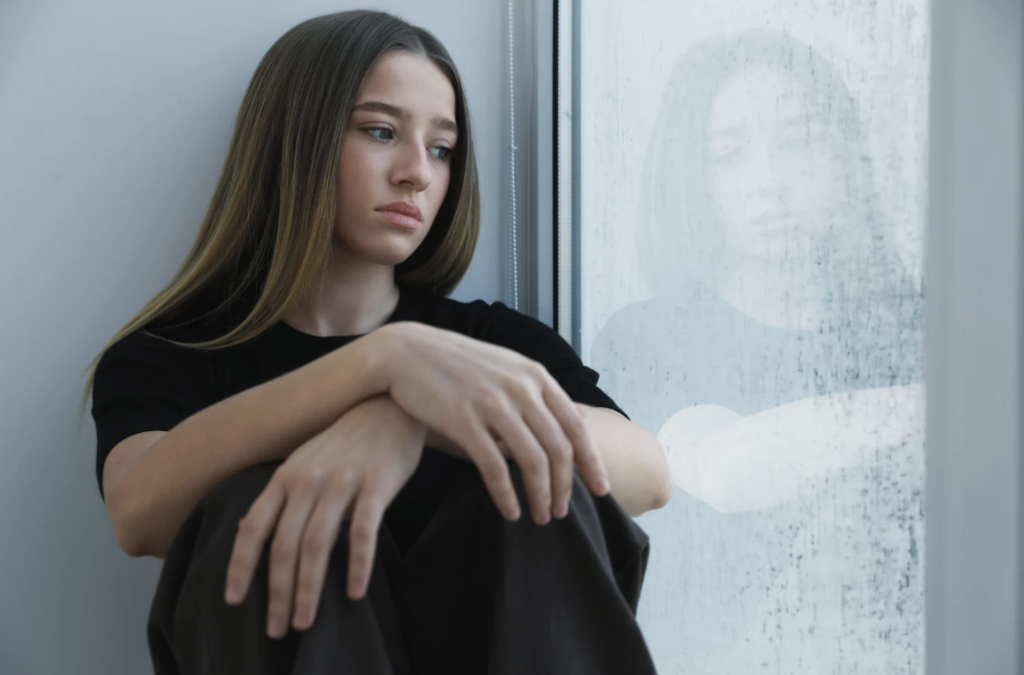
Winter Blues or Seasonal Depression? 7 Signs It’s Time to See a Psychiatrist
Quick answer: The winter blues are mild, short-lived dips in mood that don’t stop you from handling work, school, or home life, and usually pass within two weeks. Seasonal affective disorder (SAD) is a form of major depression that returns in the same season each year, lasts for weeks or months, and interferes with daily functioning. If symptoms last more than two weeks, return every year, or affect your sleep, appetite, relationships, or work, it’s time for a psychiatric evaluation.
Almost everyone feels a little flatter when the days get shorter. The question isn’t whether winter affects your mood. It’s whether it affects it enough to change how you live. That line is where the winter blues end and seasonal depression begins.
Winter blues vs. SAD at a glance
| Winter blues | Seasonal affective disorder | |
|---|---|---|
| Duration | Days to under two weeks | Weeks to months, often four to five months |
| Daily life | Still managing work, school, and home | Work, school, or relationships noticeably affected |
| Pattern | Occasional, tied to a bad week or event | Returns in the same season, typically two or more years in a row |
| Sleep and appetite | Minor changes | Oversleeping or insomnia, strong cravings or appetite loss, weight change |
| What helps | Light, activity, routine, connection | Professional treatment: light therapy, therapy, medication, or TMS |
7 signs it’s more than the winter blues
- It’s lasted longer than two weeks. A rough week is normal. Two weeks or more of low mood, hopelessness, or loss of interest is a recognized threshold for depression.
- It happens every year. If you can predict the month your mood will drop, that pattern is clinically meaningful. Seasonal depression is diagnosed when episodes return in the same season for at least two consecutive years.
- You’re sleeping far more, or far less. Oversleeping and still waking up exhausted is a hallmark of winter-pattern SAD. Insomnia is more typical of the summer pattern.
- Your appetite has shifted noticeably. Strong cravings for carbohydrates and sweets, with weight gain, often show up in winter-pattern SAD.
- You’re pulling away from people. Skipping gatherings you’d normally enjoy, letting texts go unanswered, or wanting to “hibernate” are common signs.
- Work or school is slipping. Missing deadlines, struggling to concentrate, or calling in more often suggests depression is affecting function, not just mood.
- Self-care isn’t working. If more daylight, exercise, and sleep routines haven’t made a difference after a few weeks, that’s a signal to get professional help.
If you’re having thoughts of death or suicide, that isn’t something to wait out. Call or text 988 or call 911 right away.
Seasonal depression in teens and military families
In adolescents, seasonal depression often looks like irritability, falling grades, or sleeping through the weekend rather than obvious sadness. It’s easy to write off as a phase, so a pattern that repeats each winter deserves a closer look. Our guide to teen depression signs covers what to watch for.
For Fort Bliss service members and families, seasonal mood changes can overlap with relocation, deployment schedules, and time away from extended family during the holidays. Those stressors don’t cause SAD on their own, but they can make it harder to recognize and harder to manage without support.
What a psychiatric evaluation involves
An evaluation is a conversation, not a test you pass or fail. A clinician will ask about your symptoms, when they started, whether they’ve happened in past years, your sleep and appetite, your medical history, and any medications you take. Because some conditions, including bipolar disorder and thyroid problems, can look like seasonal depression, a careful evaluation helps make sure treatment fits the actual cause.
From there, treatment might include light therapy, cognitive behavioral therapy adapted for SAD, medication, or a combination. For depression that hasn’t responded to medication, Transcranial Magnetic Stimulation (TMS) is another option. Read more in our guide to seasonal depression treatment.
Getting help in El Paso
The TMS El Paso team sees adolescents and adults at our Montana Avenue, Beech Street, and Joe Battle Boulevard clinics. We accept most major insurance, including Aetna, BlueCross BlueShield, Cigna, Medicare, Medicaid, Tricare, and VA/Triwest. If this season has started to feel like more than a slump, schedule an evaluation.
FAQ
What is the difference between the winter blues and seasonal depression? The winter blues are mild and brief and don’t disrupt daily life. Seasonal depression lasts weeks or months, returns each year, and affects work, sleep, appetite, and relationships.
How long does seasonal depression last? Winter-pattern SAD typically lasts four to five months, usually from late fall into spring.
Should I see a psychiatrist or a therapist for seasonal depression? Either is a good starting point. A psychiatric provider can evaluate whether medication or treatments like TMS make sense, while therapy, including CBT adapted for SAD, is effective on its own or alongside other treatment.
Can kids and teens get seasonal depression? Yes. In teens, it often shows up as irritability, oversleeping, and slipping grades rather than obvious sadness.
This article is for general education and isn’t a substitute for professional care. If you are in crisis or thinking about suicide, call or text 988 to reach the 988 Suicide & Crisis Lifeline, or call 911.